
Last Updated: October 25, 2026
Quick Summary
Sustainable coastal fashion is clothing built to survive salt air, sun, and sand while going easier on the ocean. It is a durability test with an environmental bonus, not a moral test, so you match the fiber to the job and buy less, wearing each piece more.
- Natural fibers breathe and last longer, while thin fast-fashion knits pill and stretch after a season.
- Linen handles heat and salt air well but creases and abrades, so it suits shirts and cover-ups.
- Recycled nylon and polyester dry fast for swimwear but still shed microfibers in the wash.
- Look for named third-party certifications like OCS for organic content and GRS for recycled content.
- Rinse saltwater out with cold water after a beach day and air dry knits and swimwear.
Table of Contents
- Why Sustainable Coastal Fashion Belongs in Your Closet
- The Sustainable Fashion Benefits You Actually Feel
- Eco-Friendly Fabrics for Clothing That Handle Salt and Sun
- Sustainable Swimwear: What to Look For Before You Buy
- How to Build a Sustainable Wardrobe for Coastal Living
- How to Verify a Brand's Sustainability Claims
- Caring for Coastal Gear So It Outlasts the Season
- Start With One Piece You'll Wear All Summer
- Frequently Asked Questions
Why Sustainable Coastal Fashion Belongs in Your Closet
Sustainable coastal fashion is clothing made to survive salt air, sun, and sand while going easier on the ocean those things come from. It is a small shift in how you shop, not a whole new personality.
Here is what most guides get wrong. They treat sustainable coastal fashion as a moral test. It is not. It is a durability test with an environmental bonus.
Below, we'll show you exactly how to pick pieces that hold up on the water and in town.
The Sustainable Fashion Benefits You Actually Feel
Forget the abstract stuff for a second.
Better comfort. Natural fibers breathe. A cotton tee moves air in July heat that a cheap polyester blend traps against your skin.
Longer wear. Garment-dyed and heavyweight fabrics keep their shape and color through repeated washing. Thin fast-fashion knits pill and stretch after a season.
Less waste. Fewer replacements means fewer shirts in a landfill. The EPA's facts and figures on textile waste tracks how much clothing ends up in the trash each year.
Less guilt at checkout. You know where the fabric came from and roughly how it was made.
A common mistake is buying sustainable pieces in the same quantity as before. The point is to buy less and wear it more.
Eco-Friendly Fabrics for Clothing That Handle Salt and Sun
Salt and sun are hard on fabric. They break down weak fibers, fade dyes, and stiffen anything with too much synthetic content.
Here is how the main eco-friendly fabrics for clothing stack up on the coast:

| Fabric | Salt & Sun | Breathability | Dry Time | Best Coastal Use | Main Trade-Off |
|---|---|---|---|---|---|
| Organic cotton | Good | High | Slow | Tees, caps, casual layers | Holds water, heavy when wet |
| Linen | Very good | Very high | Fast | Summer shirts, beach cover-ups | Wrinkles easily, low abrasion resistance |
| Recycled nylon blend | Good | Medium | Fast | Swimwear, active layers | Still sheds microfibers in the wash |
| Recycled polyester | Good | Low-medium | Fast | Board shorts, wind layers | Less breathable than natural fibers |
| Wool blend | Good | Medium | Medium | Cool-weather coastal layers | Can feel scratchy, needs careful washing |
| Tencel lyocell | Good | High | Medium | Light layers, cover-ups | Lower wet strength than cotton |
| Cheap polyester | Poor | Low | Fast | Skip it | Traps heat, pills, sheds heavily |
Organic cotton tops our list for everyday wear.
Tencel lyocell is a regenerated fiber made from wood pulp in a closed-loop process that recovers most of the solvent.
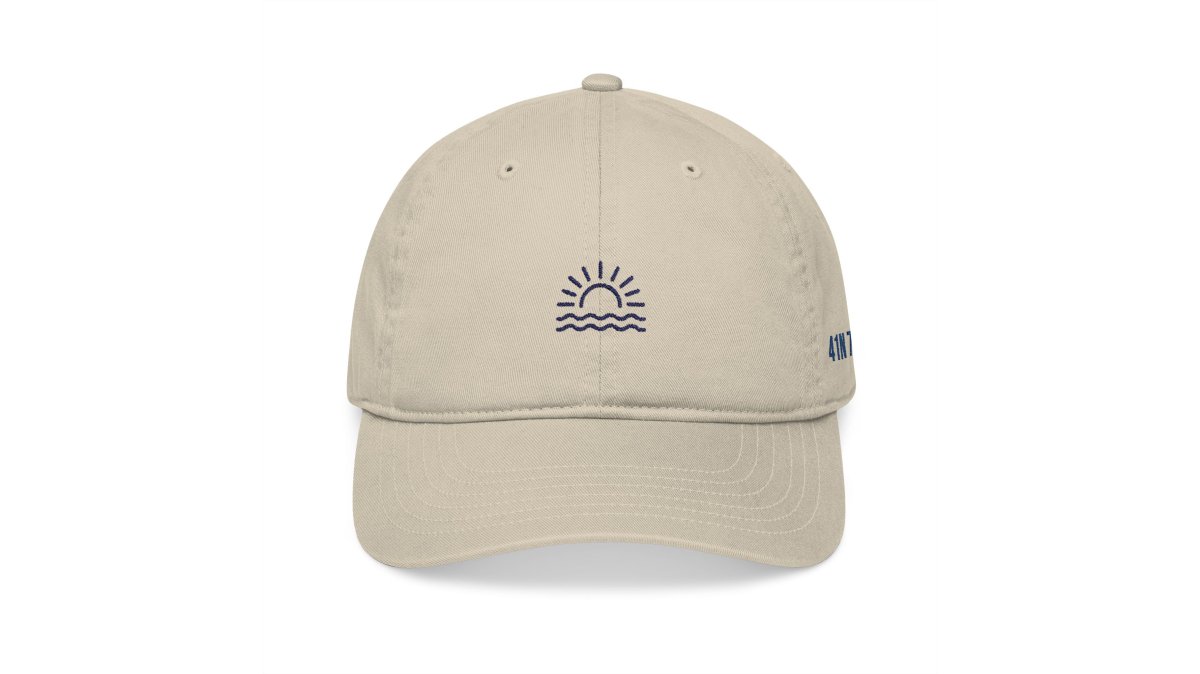
Our Local Tide Organic Cotton Baseball Cap uses 100% organic cotton twill with sewn eyelets for airflow, which is exactly the kind of build that survives a salty summer.
If you spend real time on the water, our guide to coastal apparel for kayaking covers what to wear when you're paddling rather than lounging.
Sustainable Swimwear: What to Look For Before You Buy
Sustainable swimwear holds its shape through chlorine, salt, and sun without shedding plastic into the water. The key is the fabric blend and how tightly it is knit.
Look for these three things:
- Recycled nylon or polyester blends. These reuse existing plastic instead of making new.
- A snug but not tight fit. Loose knits shed more fibers in the wash and the waves.
- A care label you can follow. Cold rinse, air dry, no machine heat.
Microfiber shedding is the issue most swimwear brands skip. Synthetic fabrics release tiny fibers in the wash, and those fibers travel to the ocean (Microfiber release from real soiled consumer laundry and the impact of fabric care...). Washing in a filter bag and air drying cuts that loss.
For the full beach-day picture, our coastal apparel for beach days guide shows how swimwear fits with the rest of your kit.
How to Build a Sustainable Wardrobe for Coastal Living
A sustainable wardrobe for coastal living starts with five pieces you will actually rotate, not twenty you will forget. Build around layers that work from the sand to the street. But the pieces matter less than the process you use to choose them, most guides hand you a checklist and stop there. Here is the step-by-step buying process we recommend, plus the five-piece core it produces.
Step 1: Audit what you already wear
Before you buy anything, pull out the coastal pieces you reached for most last summer. Note the fabric, the fit, and what failed, a faded tee, a stretched swim top, a cap that lost its shape. That list tells you which fibers and constructions actually survive your routine, and it stops you from rebuying the same mistake.
Step 2: Define the job for each piece
Coastal garments do different jobs, and the fiber should match the job. A tee for town and deck wear can be heavyweight organic cotton. A swim piece needs a recycled nylon or polyester blend with a tight knit. A breezy-evening layer can be a light cotton knit or a wool blend. Write the job down before you shop so a sale rack cannot talk you into the wrong fiber.
Local Tide Organic Cotton Baseball Cap →
Step 3: Check the claim before the price
A sustainability claim is only worth what you can verify. Look for a named third-party certification on the product page, OCS for organic content, GRS for recycled content, and a stated fiber percentage. "Recycled" without a number is marketing. A brand that names its care instructions is usually telling the truth; a brand that only uses adjectives usually is not.
Step 4: Judge construction, not just fiber
Two organic cotton tees can last very differently. Look for a tight knit, reinforced seams at stress points, and a weight that holds shape through washing. Garment-dyed and heavyweight fabrics generally keep color and fit longer than thin fast-fashion knits. For a deeper look at fabric and construction, see our guide on how to spot quality apparel.
Step 5: Plan care and end-of-life before you buy
Ask how the piece will be washed, repaired, and eventually retired. Cold rinse, air dry, and a filter bag for synthetics cut fiber loss and extend life. A brand with clear care instructions is thinking past the sale. If a repair program does not exist, factor that into the decision.
The five-piece coastal core
Here is the order we recommend once the process is clear:
- One everyday tee in heavyweight cotton that survives washing
- One light knit layer for breezy evenings
- One cap or hat for sun protection
- One swim piece in a recycled blend
- One pair of durable shorts or pants in a natural fiber
Then follow three rules:
- Buy one piece at a time and wear it hard before adding more.
- Pick colors that match what you already own.
- Repair before you replace.
Our Local Tide Beach Sweater is a good example of a single layer that earns its place. It is a cotton-blend knit with a relaxed fit, light enough for a boat ride and clean enough for lunch afterward.

How to Verify a Brand's Sustainability Claims
A sustainability claim is only worth what you can check. Most brands use vague words like "eco-friendly" with nothing behind them.
Check for a named certification. Look for OCS, GRS, or similar third-party marks on the product page.
Read the fiber content. "Recycled" means nothing without a percentage. A real label states the material and the amount.
Look for specifics. A brand that names its shipping practice is usually telling the truth.
The FTC's Green Guides set the rules for environmental marketing claims, and they are worth a skim before you trust a label.
Caring for Coastal Gear So It Outlasts the Season
Care is where most coastal clothing dies early. Salt left in fabric breaks down fibers, and heat from a dryer speeds up fading and shrinkage.
Follow these habits:
- Rinse saltwater out with cold water after a beach day.
- Wash cold and inside out to protect dyes and prints.
- Air dry whenever you can. Skip the dryer for knits and swimwear.
- Spot clean hats instead of soaking them. Warm water and dish soap on a soft brush handles most marks.
- Store folded, not on a wire hanger that stretches shoulders.
A common mistake is washing after every wear. Most coastal layers only need a rinse and a hang. That one habit extends garment life more than any detergent.
For gear built for hiking and paddling, our durable coastal clothing for outdoor activities guide covers the tougher end of the closet.
Start With One Piece You'll Wear All Summer
You do not need to rebuild your closet this week. Pick one piece, wear it constantly, and let the rest follow.
Start with something you will reach for daily. A heavyweight tee, a light knit, or a cap that blocks the sun all qualify. Our Local Tide collection is built around exactly that idea: a few vintage-inspired coastal pieces made to be worn hard and kept for years.
Buy less. Wear it more. Repair what you can.
Frequently Asked Questions
What is sustainable coastal fashion?
Sustainable coastal fashion is clothing made for beach and shoreline life using materials and methods that limit environmental harm. That means natural or recycled fibers, dyes and finishes that use less water, production runs that avoid overstock, and garments built to survive salt air and repeated washing. It also covers whether a brand supports the coast it draws from. The point is a piece you wear for years, not one season.
What fabrics work best for sustainable coastal clothing?
Organic cotton is the workhorse: breathable, soft, and grown without the pesticide load of conventional cotton. Linen and hemp handle heat well and get softer with wear. For swim and activewear, look for recycled nylon or recycled polyester blends, which hold shape in salt water. Check the label for certifications rather than trusting a hangtag slogan, and favor fabrics that suit the garment's job instead of one material used for everything.
How can I tell whether a clothing brand is actually sustainable?
Look for specifics, not adjectives. A credible brand names its certifications, such as OCS or GRS for fiber content. It publishes care instructions that extend garment life and prints to order or in small runs rather than holding deep inventory. Vague claims like planet-friendly with no supporting detail are a warning sign. If a brand cannot tell you what a garment is made of and how to keep it alive, treat the claim as marketing.
Is sustainable swimwear better for the environment?
It usually is, for two reasons. Recycled nylon and polyester divert plastic waste from landfills, and better-made suits shed fewer microfibers into the ocean over their lifetime. The bigger gain is durability: a suit that survives two or three seasons replaces three cheap suits that pill and stretch. Wash swimwear by hand in cold water and air dry it to slow fiber breakdown, which keeps plastic out of the water longer.
The hardest part of sustainable coastal fashion is not the research. It is resisting the urge to buy five things at once. Rhody Life makes that easier with vintage-inspired coastal apparel built for salt air and long summers, from our organic cotton Local Tide cap to our garment-dyed Wrack Line tee that supports shoreline access. Every piece is designed to be worn for years, not a season. Get started with Rhody Life and build a coastal wardrobe you will still be wearing next summer.
