
Table of Contents
- Why Vintage Apparel Is Still Trendy in 2026
- How to Style Vintage Clothes Without Looking Dated
- Vintage Fashion Trends 2026: What's Actually Selling
- Timeless Vintage Clothing Pieces Worth Owning
- Vintage Coastal Fashion: The Rhode Island Angle
- How to Spot Real Vintage and Judge Its Condition
- Caring for Vintage Pieces So They Last
- Conclusion: Is Vintage Apparel Still Trendy?
- Frequently Asked Questions
Last Updated: October 9, 2026
Why Vintage Apparel Is Still Trendy in 2026
Yes, vintage apparel is still trendy in 2026, and the numbers keep climbing. Secondhand clothing has moved from niche hobby to mainstream habit, and shoppers now treat resale as a first choice rather than a fallback. This guide from Rhody Life breaks down what's driving the trend, what's selling right now, and how to wear old pieces without looking dated.
The shift is easy to see. ThredUp's annual resale report has tracked steady growth in secondhand spending for years, and the pattern hasn't slowed. Thrift stores, online resale apps, and estate sales all feed the same demand.
So is vintage apparel still trendy, or is this just another cycle? It's a cycle, but a long one. Unlike a single-season fad, resale keeps growing because it solves real problems: cost, waste, and the desire for clothes nobody else owns.
The Numbers Behind the Resale Boom
Resale works because it fixes what fast fashion broke. New clothes are cheap upfront but wear out fast. Vintage pieces were often built with heavier fabric and sturdier stitching, so they hold up longer.
A few forces keep pushing the trend forward:
- Rising prices on new clothing push shoppers toward secondhand
- Social media makes rare finds visible and desirable
- Environmental concerns about textile waste keep growing
- Younger buyers value unique pieces over logo-heavy basics
The result: demand for vintage apparel isn't fading. It's spreading into new categories, from denim to outerwear to accessories.
How to Style Vintage Clothes Without Looking Dated
Styling vintage is simpler than most people think. The trick is balance: one standout old piece, everything else modern and clean.
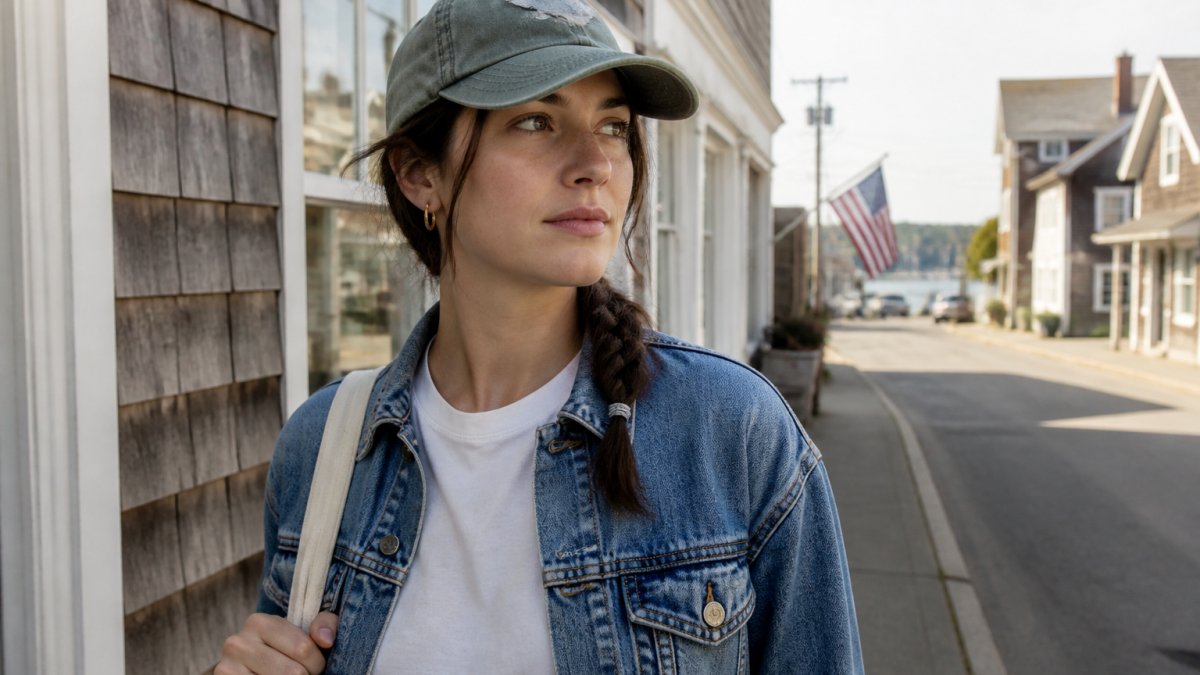
Start with a single vintage item and build around it. A worn denim jacket over a plain white tee and new jeans reads current, not costume. The same jacket with head-to-toe retro pieces can tip into theme-party territory.
The One-Vintage Rule for Modern Outfits
The one-vintage rule keeps outfits fresh. Wear one old piece per outfit, then anchor it with modern basics.
- Vintage denim jacket + new white tee + modern sneakers
- Old band tee + tailored new trousers + clean boots
- Retro wool coat + plain sweater + straight-leg jeans
This approach works because it treats vintage as an accent, not a uniform. You get the character of an old piece without the dated feel.
Vintage Fashion Trends 2026: What's Actually Selling
Denim leads everything in 2026. Vintage denim jackets, straight-leg jeans, and worn-in denim shirts are the most requested items in resale right now.
Other categories moving fast:
- 90s fashion: baggy jeans, slip dresses, and simple crewnecks
- 70s fashion: suede jackets, wide collars, and earth tones
- Workwear: chore coats, canvas jackets, and sturdy boots
- Knitwear: chunky cardigans and hand-knit sweaters
The 90s revival is the strongest of the group. Denim from that era was cut boxy and built to last, which fits today's relaxed silhouettes perfectly.
Timeless Vintage Clothing Pieces Worth Owning
Some vintage pieces never go out of style. These are the ones worth hunting for, because they work with almost any wardrobe.
- Denim jacket: layers over everything, ages well
- Trench coat: classic styles stay in rotation for decades
- Leather boots: durable, repairable, and better with wear
- Wool overcoat: warm, structured, and always in demand
- Simple gold jewelry: small, rare pieces that finish any outfit
Buy these once, care for them, and they'll outlast most new purchases. That's the real value of vintage: quality you can't buy new at the same price.
Vintage Coastal Fashion: The Rhode Island Angle
Coastal style and vintage style overlap more than people realize. Both favor worn textures, muted colors, and pieces that feel lived-in rather than brand new.
Rhode Island's shoreline towns have fed this look for generations. Fisherman sweaters, canvas jackets, and faded caps all fit the vintage coastal mold. That's the space Rhody Life works in, and it's why our Bristol Distressed Dad Hat pairs so naturally with a vintage denim jacket. The hat is 100% preshrunk cotton twill with a low-profile crown and an adjustable hook-and-loop strap, so it breaks in the way an old favorite cap should.
Bristol Distressed Dad Hat — Embroidered Vintage City Cap →

For anyone marking local history, the Bristol 250th Cap carries a distressed pennant design in red and blue. It's a $31.99 cotton cap with a curved peak and an adjustable metal clasp. It reads vintage without pretending to be.

How to Spot Real Vintage and Judge Its Condition
Authentic vintage is defined by age, not by style. Most sellers treat anything 20 years or older as vintage, and pieces from before the 1990s as true vintage.
Here's how to check a garment before you buy:
- Read the label: older tags list fewer details and use different fonts
- Check the stitching: single-stitch seams usually signal pre-1990s production
- Look at the zipper: metal zippers point to older pieces
- Inspect the fabric: pilling, thinning, and fading show real wear
- Smell it: musty odors often mean long storage and possible mildew
Condition matters as much as age. Small flaws are fixable. Structural damage usually isn't worth the cost.
| Condition | What It Looks Like | Worth Buying? |
|---|---|---|
| Excellent | No stains, no holes, strong seams | Yes, at any fair price |
| Good | Minor fading, light wear | Yes, if the fit works |
| Fair | Small stains, loose buttons | Only if repairable |
| Poor | Holes, split seams, heavy stains | Skip it |
Caring for Vintage Pieces So They Last
Vintage clothing needs gentler care than new clothes. Older fabrics are often more fragile, and harsh washing can shorten their life fast. Most trend-focused articles stop at "wash cold" and never explain the repair and fit work that keeps a piece wearable. This section covers both.
Washing and Drying by Fabric
Different fibers fail in different ways, so match the method to the material:
- Wool and cashmere: hand wash in cool water with a mild detergent, then press water out in a towel and dry flat. Never wring or hang wet wool, which stretches it out of shape.
- Silk: hand wash or dry clean. Hot water and agitation cause fading and fiber damage.
- Cotton and denim: machine wash cold on a delicate cycle, inside out, and air dry. Skip the dryer, which shrinks and abrades older cotton.
- Rayon and acetate: these are weakest when wet, so hand wash gently and dry flat.
General rules that apply across fabrics:
- Use mild detergent, never bleach
- Turn garments inside out to protect surface texture
- Store knits folded, not hung, to avoid stretching
- Air dry flat or on a line instead of tumble drying
Repair Before You Replace
Small damage is almost always cheaper to fix than to replace. A common pattern is to catch problems early:
- Loose buttons: resew with matching thread before the button is lost.
- Small holes and moth nibbles: a tailor can darn or patch them, often invisibly on knits.
- Split seams: restitch along the original seam line.
- Worn elbows and cuffs: reinforce with a patch or a decorative mend.
A basic sewing kit and a few minutes of attention extend a garment's life by years. For anything structural, a tailor is the better call.
Fit Adjustments Worth Paying For
Older cuts were drafted for different body proportions, so fit work is often the difference between a piece that sits in the closet and one you wear weekly. A tailor can:
- Take in a waist or let it out where seam allowance allows
- Shorten a hem or sleeve
- Slim a boxy 90s jacket without losing its shape
- Replace a broken zipper or worn lining
Fit adjustments are worth the cost for pieces you love. A tailor can take in a waist or shorten a hem for far less than buying new. For anyone learning how to style vintage clothes, proper care is what keeps a good find wearable for years.
Conclusion: Is Vintage Apparel Still Trendy?
Vintage apparel is still trendy in 2026, and every signal points to it staying that way. Resale keeps growing, 90s denim keeps selling, and shoppers keep choosing unique pieces over disposable ones.
The catch is that good vintage takes patience to find and care to keep. That's where Rhody Life comes in. Our vintage-inspired coastal gear gives you the worn-in look without the hunt, from the Bristol 250th Hope Street Distressed Dad Hat in khaki to the Bristol 250th Pennant Distressed Dad Hat in navy cotton twill. Each piece is built for coastal living, tied to local heritage, and made to last.

Get started with Rhody Life and wear your Rhode Island pride in gear that only gets better with age.
Frequently Asked Questions
Is vintage clothing still in style in 2026?
Yes. Resale and secondhand shopping have kept growing even as overall apparel spending has flattened, which tells you the demand is structural rather than a short-lived fad. Gen Z and younger millennials drive much of it, drawn to unique pieces, lower prices, and the sustainability angle. Vintage apparel has moved from a niche hobby to a mainstream fashion choice, and 2026 shows no sign of that reversing.
How do you style vintage clothes without looking dated?
Mix one vintage piece with modern basics rather than wearing head-to-toe retro. Pair a 90s denim jacket with a plain tee and current-fit jeans, or wear a vintage-inspired hat with a simple modern outfit. Keep silhouettes clean and let the vintage item be the focal point. This approach keeps your personal style current while still showing individuality and self-expression.
Is vintage clothing more sustainable than buying new?
Generally, yes. Extending the life of existing garments through resale, thrifting, and reuse keeps clothing out of landfills and reduces the demand for new production. The fashion industry is a major contributor to textile waste, so buying secondhand or pre-loved clothing lowers your environmental impact. The caveat: shop intentionally. Buying vintage pieces you won't wear still creates waste.
What vintage clothing pieces are timeless?
A few pieces stay wearable across decades: the denim jacket, a classic trench or field coat, straight-leg jeans, leather boots, and vintage-inspired caps. These work because their silhouettes are simple and their materials age well. Focus on quality and durability over novelty. A well-made timeless piece can stay in your wardrobe for years and pair with almost anything.