
Last Updated: October 24, 2026
Quick Summary
The best coastal heritage towns in RI include Bristol, Newport, Wickford, Warren, Westerly/Watch Hill, Little Compton, Jamestown, East Greenwich, North Kingstown, and Barrington. Start with the East Bay towns of Bristol and Warren, then give Newport a full day for its mansions and colonial streets. Group towns by geography and don't cross the bridges more than once a day.
- Bristol holds the oldest continuous Fourth of July celebration in the country, centered on Hope Street.
- Give Newport a full day, since half a day shortchanges either the mansions or the harbor.
- Wickford may be the most intact colonial village in the state and takes two to three hours.
- Pair Warren with Bristol on the same day because they're minutes apart on the East Bay.
- Leave one town unvisited so you have a reason to return for another weekend.
Table of Contents
- Why Rhode Island's Coastal Heritage Towns Deserve a Weekend
-
10 Best Coastal Heritage Towns to Visit in RI
- Bristol: The Fourth of July Capital
- Newport: Gilded Age Mansions and Colonial Streets
- Wickford: A Colonial Village on the Water
- Warren: Small-Town Waterfront Charm
- Westerly and Watch Hill: South County's Quiet Corner
- Little Compton: Farmland Meets the Sea
- Jamestown: Harbor Views and Stone Walls
- East Greenwich: Hilltop History by the Bay
- North Kingstown: Wickford's Neighbor and Beyond
- Barrington and Warren: The East Bay Pair
- Historic Towns in Rhode Island: What Makes Them Different
- Rhode Island Coastal History: A Quick Primer
- Building a Rhode Island Coastal Weekend Itinerary
- What to Pack for a Coastal Heritage Weekend
- Plan Your Coastal Heritage Trip with Rhody Life
- Frequently Asked Questions
Why Rhode Island's Coastal Heritage Towns Deserve a Weekend
Rhode Island packs more colonial and maritime history into its 1,214 square miles than most states manage in ten times the space. According to the Rhode Island Historical Preservation & Heritage Commission, the state holds one of the densest concentrations of historic districts in the country, and much of it sits within walking distance of salt water. At Rhody Life, we spend our days celebrating exactly this: the harbors, the colonial streets, the small towns where the past never quite left. Below, we break down the 10 best coastal heritage towns to visit in RI, with what to see in each and how to string them into a weekend that actually works.
The five-town East Bay alone can fill a Saturday. But first, here's what most guides get wrong: they treat these towns as photo stops instead of places to linger. A coastal heritage town is a settlement whose architecture, street plan, and economy grew directly from its relationship with the sea. That definition matters, because it tells you what to look for: working waterfronts, sea captains' houses, and streets laid out before the automobile.
10 Best Coastal Heritage Towns to Visit in RI
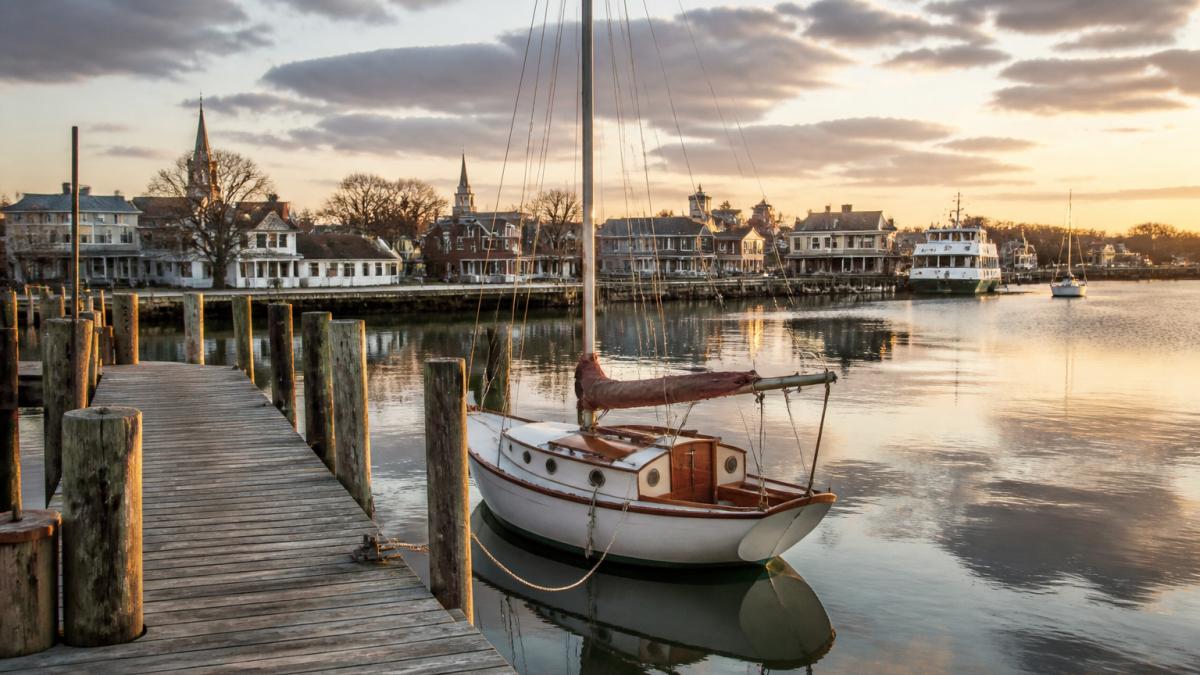
These ten towns deliver the strongest mix of preserved architecture, waterfront access, and walkable historic districts. We ranked them by how much heritage you can absorb on foot in a single afternoon, then grouped them so you can plan routes rather than zigzags.
| Town | Best For | Don't Miss | Time Needed |
|---|---|---|---|
| Bristol | Fourth of July pageantry | Hope Street and the waterfront | Half day |
| Newport | Gilded Age grandeur | Bellevue Avenue mansions | Full day |
| Wickford | Colonial village charm | Main Street's 18th-century homes | 2-3 hours |
| Warren | Waterfront browsing | Water Street shops and galleries | 2 hours |
| Westerly/Watch Hill | Quiet beaches | Watch Hill's lighthouse | Half day |
| Little Compton | Rural coastal calm | Farm stands and Wilbor House | 2-3 hours |
| Jamestown | Harbor views | Conanicut Battery and stone walls | Half day |
| East Greenwich | Hilltop history | Main Street's colonial core | 2 hours |
| North Kingstown | Case study in preservation | Wickford and the Old Narragansett Church | 3 hours |
| Barrington/Warren | East Bay pairing | Hundred Acre Cove | 2 hours |
Bristol: The Fourth of July Capital
Bristol holds the oldest continuous Fourth of July celebration in the country, and the town wears that history proudly on its main street. Hope Street runs unbroken from the harbor to the town common, lined with Federal and Greek Revival houses built by merchants who made their money on the sea. Walk it slowly. If you're planning around the 250th anniversary, you can mark the visit with Bristol 250th commemorative gear before you go.
Newport: Gilded Age Mansions and Colonial Streets
Newport is the heavyweight, and it earns the billing. The Cliff Walk threads between Atlantic surf and the back lawns of Bellevue Avenue's Gilded Age mansions, while the Colonial core around Thames Street predates them by a century. Give Newport a full day, because half a day shortchanges either the mansions or the harbor. The Newport Historical Society runs walking tours that connect the colonial and Gilded Age chapters. Watch out: summer weekends turn Thames Street into a crawl, so start early and save the mansions for midday when tour buses thin out.
Wickford: A Colonial Village on the Water
Wickford may be the most intact colonial village in the state, and it asks nothing of you but a slow walk. Main Street's 18th-century houses sit close to the road, their doorways facing the harbor that made them wealthy. Small shops fill the ground floors. Two or three hours covers it well, and the village rewards a second pass after lunch when the light softens.
Warren: Small-Town Waterfront Charm
Warren blends a working waterfront with a creative streak. Water Street's shops and galleries sit a block from the harbor, and the town's colonial grid has survived largely intact. Pair it with Bristol on the same day; they're minutes apart and share the same East Bay character.
Westerly and Watch Hill: South County's Quiet Corner
Westerly's village center and Watch Hill's oceanfront give you two moods in one trip. Watch Hill holds a lighthouse, a carousel, and streets that feel frozen in a gentler decade. The beaches here draw fewer crowds than the East Bay, which makes this the pick when you want heritage without the foot traffic.
Little Compton: Farmland Meets the Sea
Little Compton is the outlier on this list: a farming town that happens to touch the ocean. Stone walls divide fields that run to the water's edge, and farm stands dot the roads. The Wilbor House museum anchors the town's colonial history. Bring patience for narrow roads and a camera for the light.
Jamestown: Harbor Views and Stone Walls
Jamestown sits on Conanicut Island, halfway between Newport and the mainland, and it feels like the quiet sibling of both. Harbor views, colonial stone walls, and the Conanicut Battery earthworks give the town a layered history. A half day covers the highlights comfortably.
East Greenwich: Hilltop History by the Bay
East Greenwich's Main Street climbs a hill above the bay, lined with colonial and Federal buildings that once served a busy port. The town's maritime past is quieter than Bristol's, but the architecture holds up, and two hours of walking covers the historic core.
Bristol 250th Hope Street Distressed Dad Hat – Khaki →
North Kingstown: Wickford's Neighbor and Beyond
North Kingstown contains Wickford within its borders, but the wider town adds the Old Narragansett Church and stretches of preserved farmland. Think of it as Wickford plus context: three hours lets you see the village and the surrounding historic sites.
Barrington and Warren: The East Bay Pair
Barrington and Warren sit side by side on the East Bay, and together they make an easy half-day loop. Barrington's shoreline looks across Hundred Acre Cove, and Warren supplies the shops and waterfront dining. If you want to carry the East Bay with you, the Rhody Life East Bay Stitched Fleece Mock-Neck Crew Sweatshirt is cut for exactly these cool, breezy afternoons by the water.

Historic Towns in Rhode Island: What Makes Them Different
Historic towns in Rhode Island share a common DNA: they grew around water, they kept their street grids, and they never got flattened by highways or urban renewal. That combination is rarer than it sounds. Drive through Bristol or Wickford and you're moving through a street plan drawn when ships were the main form of long-distance travel. The buildings follow the water, not the car. That's why these towns feel different from historic districts elsewhere: the history isn't fenced off in a single block. It's the whole town.
Rhode Island Coastal History: A Quick Primer
Rhode Island coastal history runs from Narragansett and Wampanoag settlements through colonial ports, the triangle trade, the Gilded Age, and the working harbors that survive today. The state's coastline and Narragansett Bay made it a maritime power before it was an industrial one. According to the National Park Service, Rhode Island's coastal heritage includes some of the earliest European settlement sites in New England. That layered past is why a single weekend can move you from a 17th-century farmhouse to a Gilded Age ballroom.
Building a Rhode Island Coastal Weekend Itinerary
A Rhode Island coastal weekend itinerary works best when you group towns by geography instead of ranking. Here's how we'd structure it:
- Saturday morning: Bristol and Warren, walking Hope Street and the waterfront
- Saturday afternoon: Barrington's shoreline, then a slow drive south
- Saturday evening: Newport's harbor for dinner
- Sunday morning: Newport's Cliff Walk and one mansion
- Sunday afternoon: Jamestown on the way home, or Wickford if you're heading west
Two rules keep the weekend sane. Don't cross the bridges more than once a day, and leave one town unvisited so you have a reason to return.
What to Pack for a Coastal Heritage Weekend
Pack layers, comfortable walking shoes, and sun protection, because coastal weather shifts fast and most of these towns reward hours on foot. For time on the water, see our guide to the best coastal apparel for kayaking. A cap earns its place: sun off your face on the Cliff Walk, warmth on an evening harbor stroll. Our Local Tide organic cotton baseball cap is built for exactly this kind of weekend.

Plan Your Coastal Heritage Trip with Rhody Life
The hardest part of a coastal heritage weekend isn't finding history. It's fitting ten towns into two days without turning the trip into a checklist. Start with the East Bay, add Newport, and let the rest wait for next season. Rhody Life makes vintage-inspired coastal apparel that connects you to Rhode Island heritage, from Bristol 250th anniversary merchandise to caps and fleece built for harbor walks and breezy afternoons. Every sticker sale supports local shoreline access, so the gear gives back to the coast it celebrates.
Frequently Asked Questions
What are the best coastal heritage towns to visit in Rhode Island?
Bristol, Newport, Wickford, Warren, Westerly, Little Compton, Jamestown, East Greenwich, North Kingstown, and Barrington all combine waterfront views with real colonial and maritime history. Bristol stands out for its Fourth of July celebration and Hope Street historic district, while Newport pairs Gilded Age mansions with a working harbor. Wickford's colonial lanes and Jamestown's stone walls give each town a distinct character, so most visitors pick two or three per trip rather than rushing through all ten.
Which historic towns in Rhode Island have the most coastal history?
Newport and Bristol carry the deepest maritime roots. Newport was a major colonial port and later the summer home of Gilded Age families, while Bristol built its economy on shipping and the slave trade before becoming known for its patriotic celebrations. Wickford and Warren also preserve 18th-century waterfront streetscapes. If you want the densest concentration of historic sites in one walkable area, start with Newport's Bellevue Avenue and Bristol's Hope Street.
Can you visit Rhode Island's coastal towns without a car?
Partially. Newport and Bristol are reachable by bus from Providence and have walkable historic districts once you arrive. Wickford, Little Compton, and Westerly are harder without a car because attractions spread across miles of shoreline. For a car-free weekend, base yourself in Newport or Bristol and use RIPTA buses for day trips. Renting a car opens up the South County towns and makes a Rhode Island coastal weekend itinerary far more flexible.
When is the best time to visit Rhode Island's coastal heritage towns?
Late spring through early fall gives you the best weather for walking historic districts and harborfronts. June and September are ideal because crowds thin out but attractions stay open. Bristol's Fourth of July celebration draws the largest crowds of the year, so book lodging early if that's your focus. Winter visits suit travelers who want quiet streets and museum time, though some waterfront businesses operate on reduced hours.
What should I wear for a coastal heritage weekend in Rhode Island?
Layers work best because harbor breezes cool things down even in summer. Comfortable walking shoes are essential for cobblestone streets and historic districts. A broken-in cap like Rhody Life's Local Tide Organic Cotton Baseball Cap ($35.00) handles sun and wind without fuss, and a fleece layer helps on evening waterfront walks. Pack light rain gear too, since coastal weather shifts quickly.
